This concert is devoted to one of the most profound and difficult human experiences: love that never finds fulfilment. In the music of Mieczysław Karłowicz, this theme returns time and again-as longing, as desire, as a yearning for something that remains forever unattainable.
We encounter this same emotional landscape in Sergei Rachmaninoff’s Piano Concerto No. 2. Although the two composers never met, they belonged to the same generation and were creating their works at almost exactly the same time. Rachmaninoff completed his concerto in 1901, when Karłowicz was working on his first symphonic poems. In both cases, we hear a fascination with inner experience, with emotions concealed beneath the surface of events. Both composers were among those artists who sought the deepest truths not in the external world, but within the human soul.
In Karłowicz’s personal life, it is difficult to find the story of a fulfilled love. Neither his letters nor contemporary accounts mention a life partner, and themes of romance remain largely absent from his biography. All the more striking, then, is the prominence of love in his music-an emotion portrayed as unattainable, helpless, and ultimately tragic.
This is especially evident in the symphonic poem Stanisław and Anna Oświecim, Op. 12. Karłowicz drew inspiration from the legend of a brother and sister who fell in love with one another, bound by a forbidden and impossible passion. Despite their attempts to overcome these feelings and a dramatic journey to Rome, which ended with permission for their union, the story concludes tragically. Death separates the lovers, and fulfilment becomes possible only beyond this world. Karłowicz first encountered the story in Kraków through a painting depicting Anna Oświęcim on her deathbed. The image made a profound impression on him and became the impulse for the creation of the work. To this day, the painting hangs in the Sukiennice Gallery.
The motif of love that remains unfulfilled yet overwhelmingly powerful recurs throughout Karłowicz’s music. It is present as an emotion that permeates his works and gives them their distinctive intensity. Perhaps this is why listeners so readily discover something deeply personal within them-something many of us, in our own way, recognise and understand.
This evening, therefore, is an invitation to listen closely to music that speaks of difficult and often hidden emotions. And perhaps it is precisely in this music-filled with longing and unfulfilled desires-that we may find not only their echo, but also a measure of consolation.
At the opening concert of the festival, we asked ourselves what it means to have Mieczysław Karłowicz as the patron of our Philharmonic. What was he seeking to express through his music, and what does his work say today to our concert community? Throughout the festival, we have searched for answers to these questions.
We discovered that, for Karłowicz, youth was not a matter of age but of courage-the courage to confront the world. We discovered that certain experiences return throughout life and become its recurring themes. We discovered that one of the most difficult human experiences is love that remains unfulfilled. We discovered that the most important emotions are never superficial but lie hidden deep beneath the surface, often invisible at first glance. And finally, we discovered that maturity does not free us from life’s essential questions; rather, it anchors them ever more deeply within us.
Yet these few threads, illuminating Karłowicz’s emotional world, do not exhaust its richness. There remains his work as an organiser of musical life, as a perceptive observer and critic. There remains his passion for the Tatra Mountains-his profound need for contact with nature, which made him one of the pioneers of mountaineering, skiing, and mountain photography. In a life that lasted only thirty-two years, he achieved an extraordinary intensity of experience and accomplishment.
For this reason, although the first edition of the festival has been remarkably rich and varied, it leaves us with the feeling that this is only the beginning-that Karłowicz’s story can be told for many years to come, each time through a different lens, revealing new perspectives on both his music and his life.
Listen to selected excerpts from the concert programme:
Task financed by the City of Szczecin.

Media patronage



Partners


DETAILS
KARŁOWICZ FEST | Festival Finale
19-12-2026 19:00
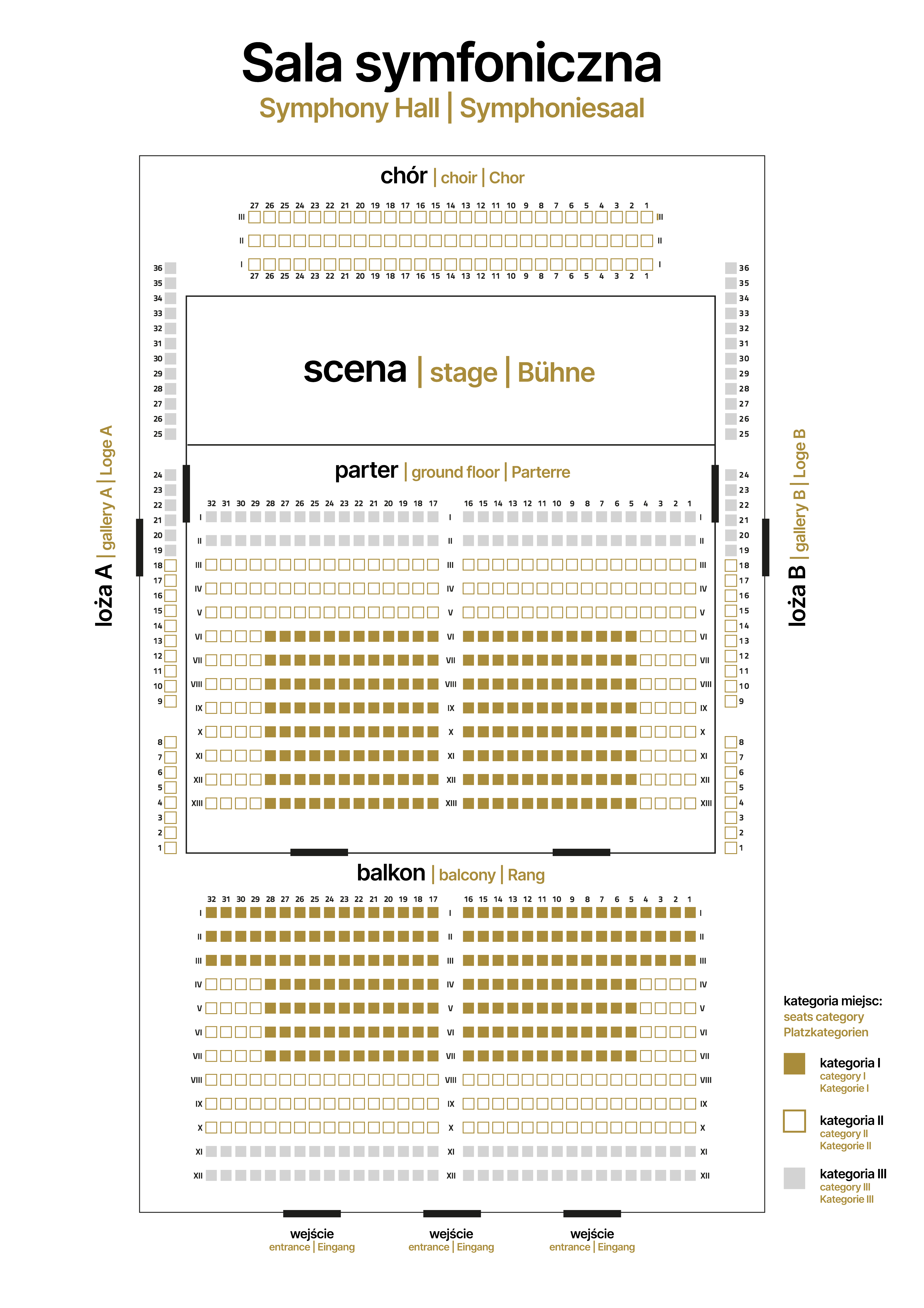
Symphony HallFilharmonia im. Mieczysława Karłowicza w Szczecinie
ul. Małopolska 48
70-515 Szczecin