It is interesting that we sometimes know works of music intimately while knowing remarkably little about the circumstances in which they were composed. In such cases, we are left to rely on our imagination. This programme presents two works whose histories are documented in extraordinary detail. We can follow the composers’ creative processes almost step by step, trace the difficulties they encountered, and place every stage of their work within a precise historical and geographical context. Yet, even then, not everything is clear. Music and the stories behind it always leave room for speculation, as though art were destined to plant a seed of uncertainty in the human mind.
The history of Wolfgang Amadeus Mozart’s Flute Concerto in G major is among the best documented of all his compositions. It is generally accepted that the work was written during the composer’s stay in Mannheim between 1777 and 1778, when he was unsuccessfully seeking permanent employment. His surviving letters to his father reveal a young musician full of ambition, yet struggling with the financial realities of everyday life. We know the name of the commissioner-the Dutch physician and amateur flautist Ferdinand Dejean-and we also know that Mozart did not complete the entire commission, receiving only part of the agreed fee. It was during this period that he penned his oft-quoted remark about his dislike of the flute. Today, however, scholars caution against taking those words at face value. Written in a private letter during a moment of fatigue and professional frustration, they stand in striking contrast to the fact that Mozart composed several masterpieces featuring the flute at precisely the same time. The surviving documents answer many questions, but they also leave others unresolved.
An even richer documentary trail surrounds Ludwig van Beethoven’s Symphony No. 3, Eroica. Sketches, manuscripts, recollections by pupils and friends, and numerous contemporary accounts all illuminate the composer’s work on the symphony. We know that Beethoven originally intended to dedicate it to Napoleon Bonaparte, whom he regarded as the embodiment of liberty and the ideals of a republican Europe. We also know that he withdrew the dedication after Napoleon crowned himself Emperor. Yet we cannot say with certainty exactly how the famous incident of scratching Bonaparte’s name from the title page unfolded, nor what Beethoven ultimately intended by the title Sinfonia eroica. Was the hero Napoleon before his coronation? An individual faithful to his ideals? Or perhaps humanity itself, struggling against its own destiny? For more than two centuries, musicologists have debated these questions without reaching a single definitive interpretation.
Perhaps this is precisely why both works remain so compelling. The more we learn about the circumstances of their creation, the more clearly we realise that art can never be contained within footnotes or bibliographies. Historical sources help us understand the composer’s journey, but the final step always belongs to the listener. It is we who, by listening, complete our own part of these remarkable stories.
DETAILS
Grace and Rebellion | Beethoven 200
15-01-2027 19:00
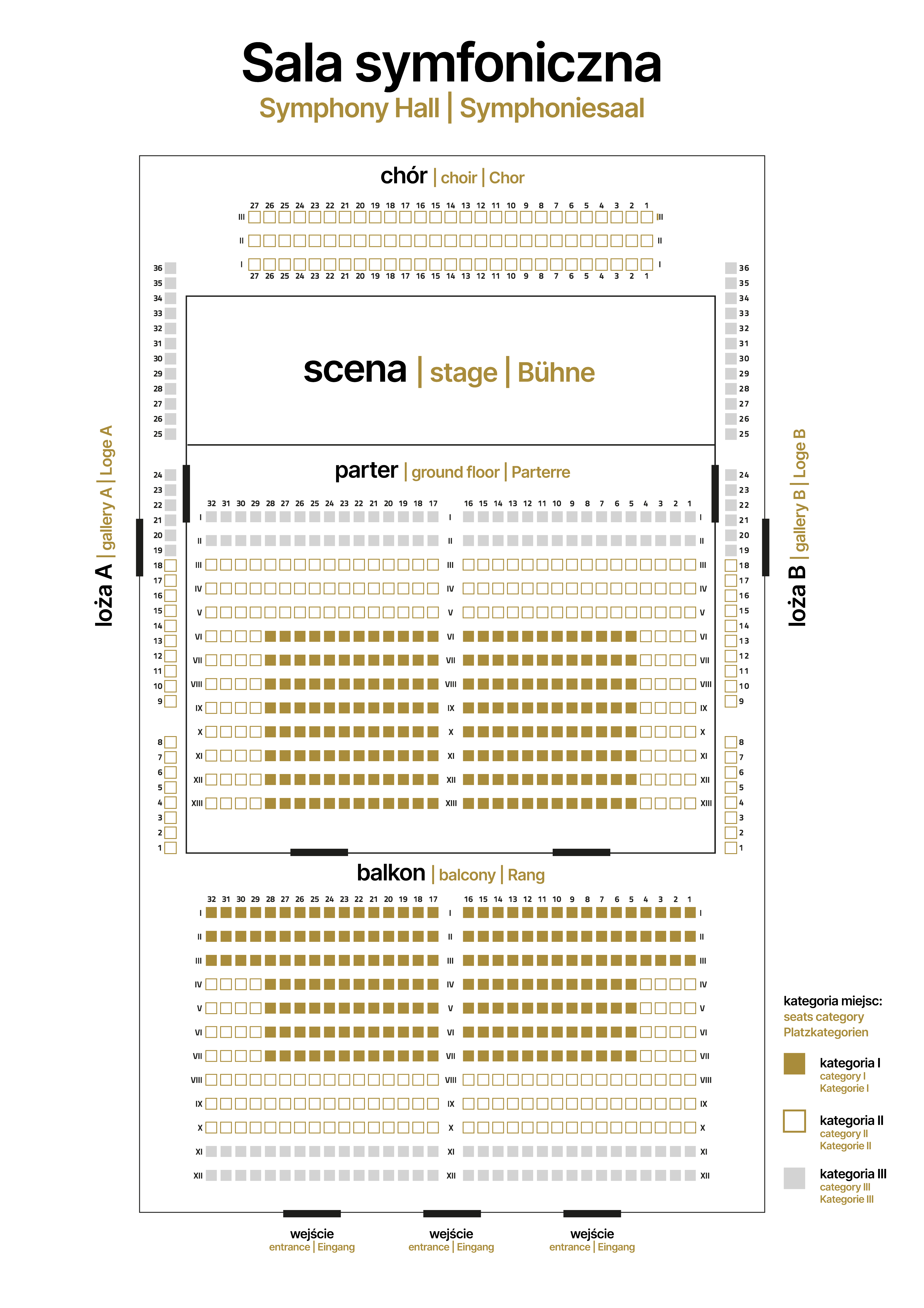
Symphony HallFilharmonia im. Mieczysława Karłowicza w Szczecinie
ul. Małopolska 48
70-515 Szczecin