The fact that religious music inspired by Great Lenten themes has been composed for centuries is nothing new. But how should we understand it today? Why is listening to Lenten music still important? What can contemporary listeners – coming from different backgrounds, cultures, and beliefs – hear in it?
Lenten music remains relevant above all because it speaks of universal human experiences: suffering, loneliness, and the search for meaning. These themes retain their significance regardless of one’s worldview. Secondly, in a world saturated with stimuli, this music teaches us a different kind of listening – more focused, more attentive, and particularly attuned to the experience of waiting. Thirdly, it creates a space to confront difficult emotions we often avoid in everyday life, allowing us to experience and process them. Finally, it reminds us of the communal dimension of human existence – the possibility of sharing what is most difficult, even when each person interprets it differently.
“My wish is that you may have a better life, with fewer cares, than mine. Recommend virtue to your children – it alone can make a person happy, not money. I speak from experience. (...) Live well and love one another.” These were the words of the suffering and increasingly isolated Beethoven in the Heiligenstadt Testament, addressed to his brothers. His only oratorio, Christ on the Mount of Olives, was composed shortly afterwards, in the autumn of 1802. When we read these two texts side by side – the Testament and the libretto of the oratorio – we may begin to suspect that Beethoven saw in them a profound connection rooted in universal human experience.
Haydn leaves even more room for individual reflection. The Seven Last Words of Our Saviour on the Cross consists of seven purely instrumental meditations. These words – or rather, phrases and sentences – have for centuries inspired theological inquiry, scholarly study, and artistic creation. The music that accompanies them may sound surprisingly unfamiliar to modern ears. In a world accustomed to direct and explicit imagery, Haydn’s musical language evokes an entirely different emotional landscape. These are seven meditations that require genuine attention and invite each listener to confront their own thoughts and experiences.
Such is the message of Beethoven and Haydn – and of music that speaks to every person facing hardship, waiting for answers, searching for meaning, and longing for community.
DETAILS
Before the Silence | Beethoven 200
19-03-2027 19:00 | 20-03-2027 19:00
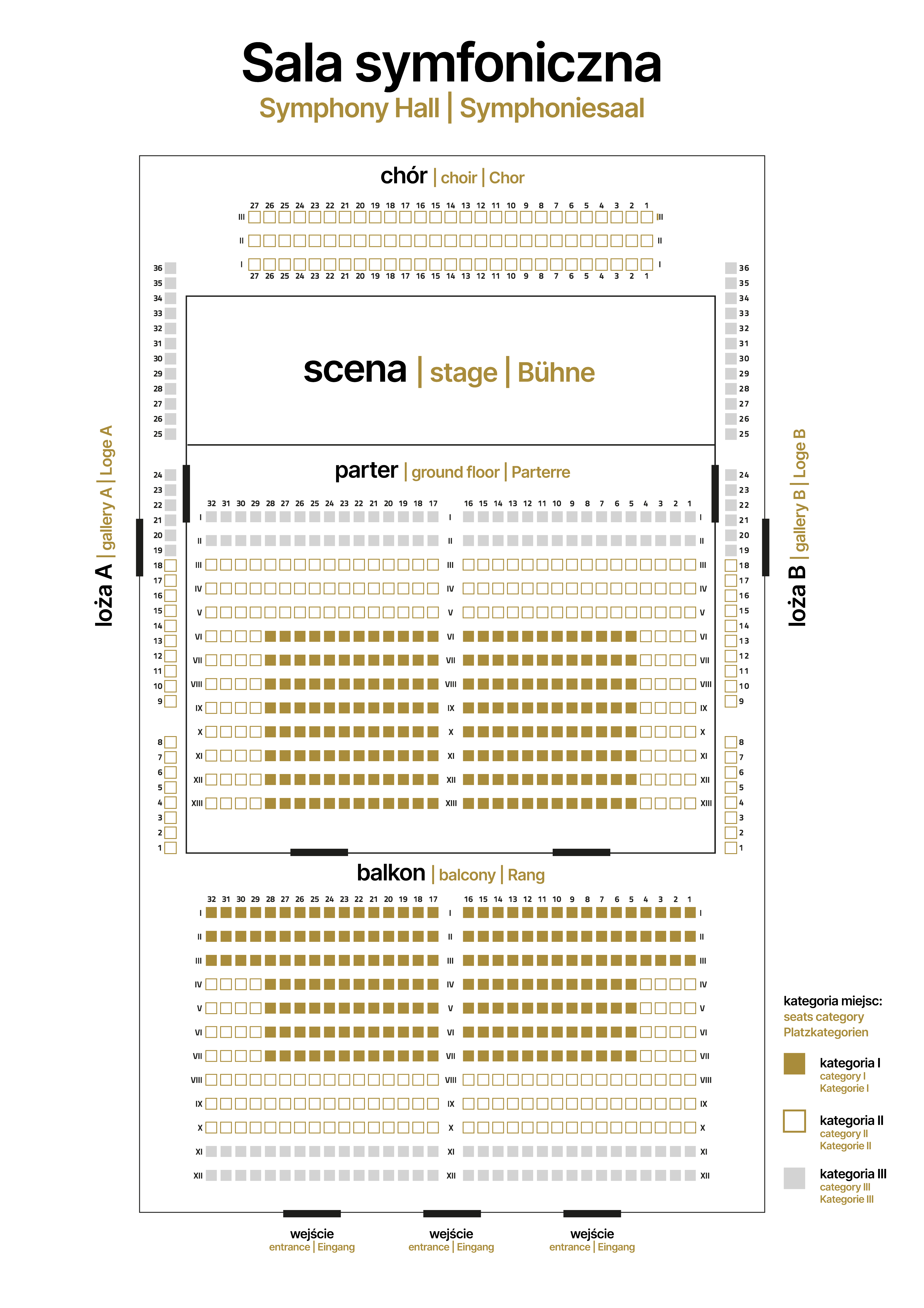
Symphony HallFilharmonia im. Mieczysława Karłowicza w Szczecinie
ul. Małopolska 48
70-515 Szczecin